Explore Croatia: the essential guide
Croatia packs Roman ruins, Venetian towns, more than a thousand islands and some of Europe's clearest sea into one compact country. Start here to plan where to go and what not to miss.
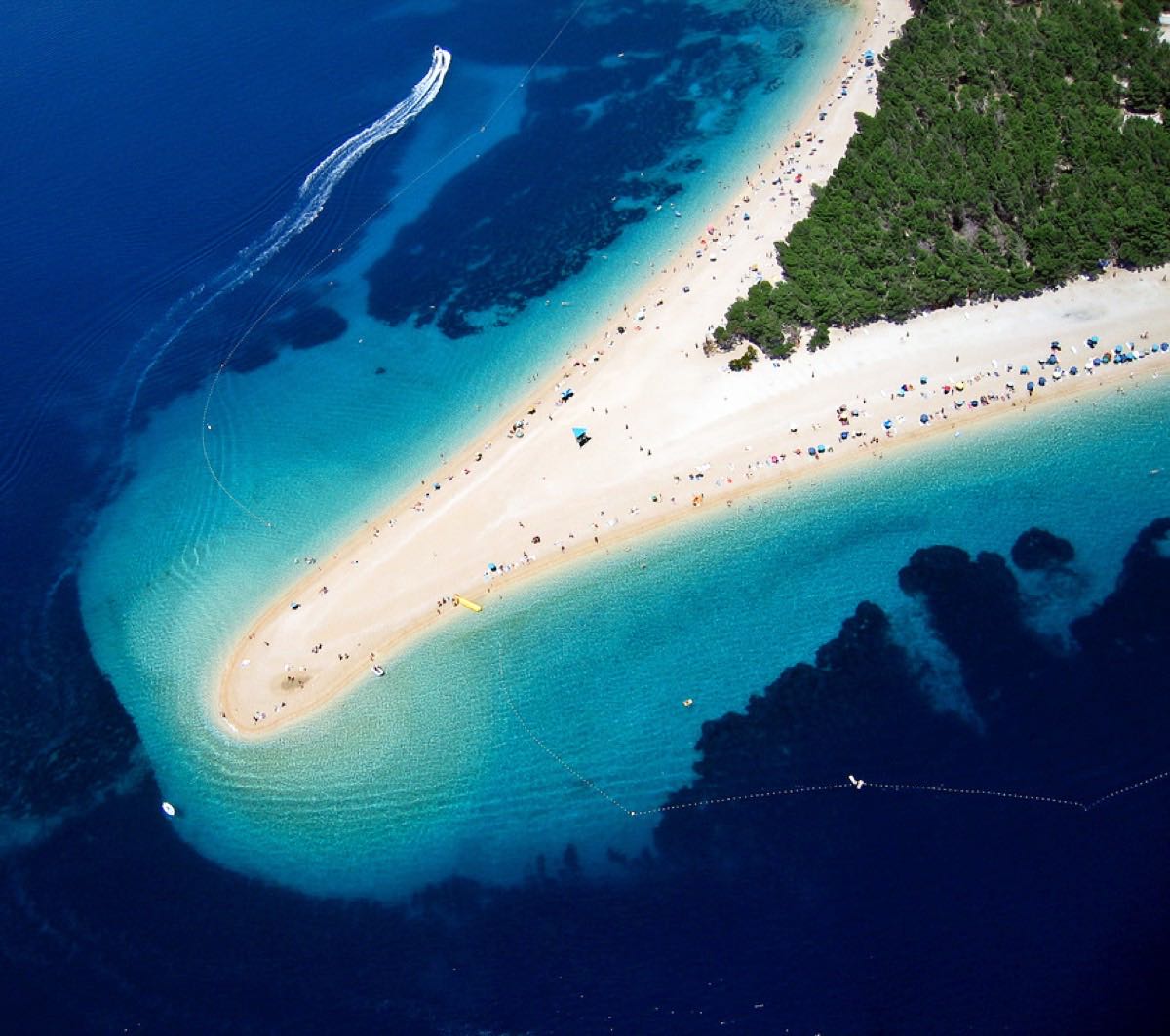
Croatian beaches
Croatia's coast is famous for clear water rather than sand: pebble bays, pine-shaded coves and rocky platforms where you swim straight into the Adriatic. From the shifting spit of Zlatni Rat on Brač to the cliff-ringed cove of Stiniva on Vis, the best beaches reward an early start.
BeachFeaturedZlatni Rat
Croatia's most famous beach, a pebble spit that shifts with the wind.
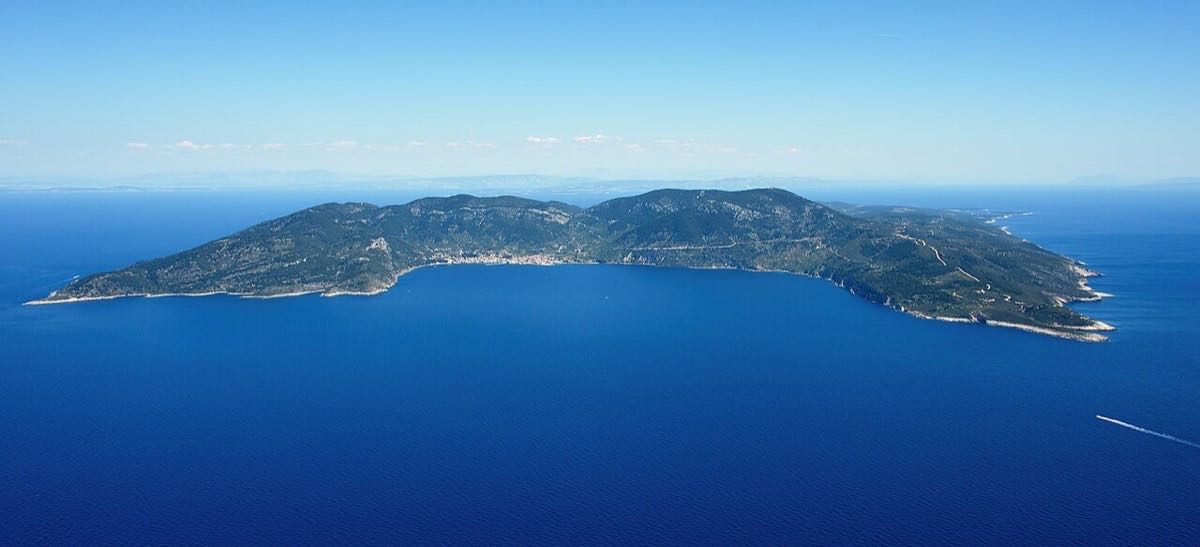 BeachFeatured
Stiniva
A secluded pebble cove enclosed by towering cliffs.
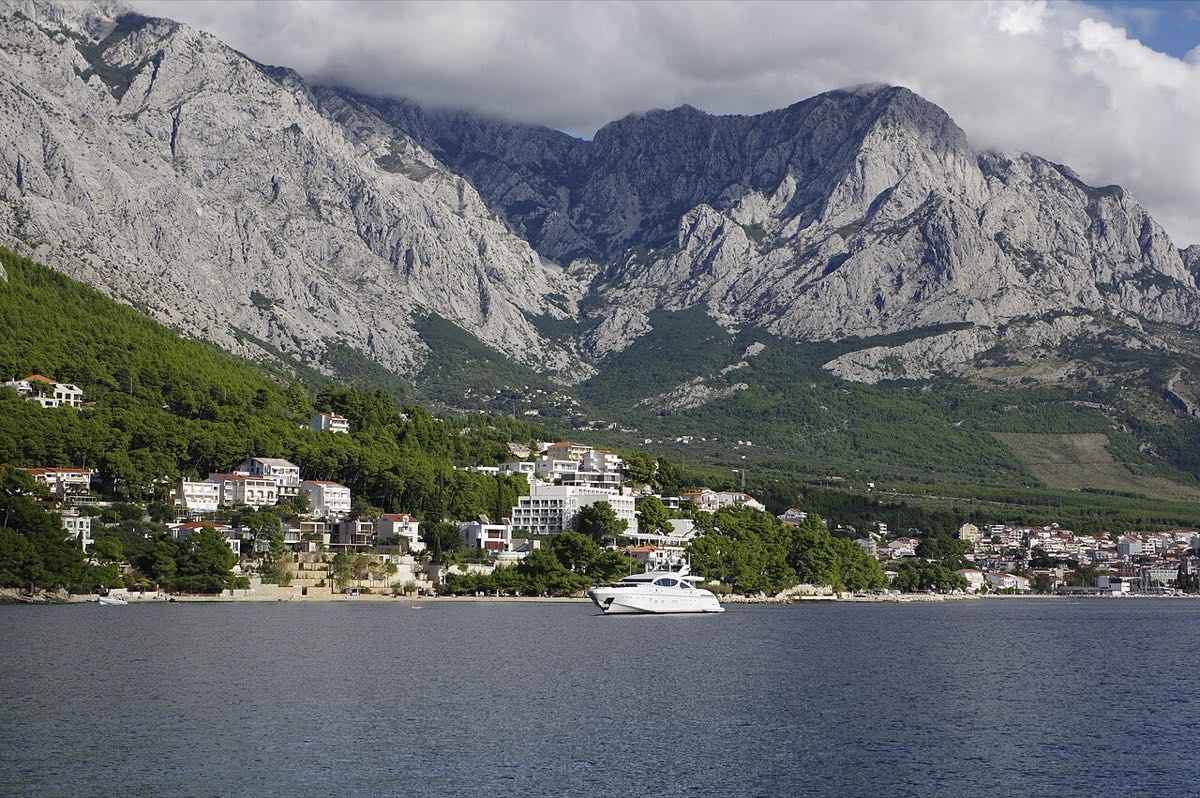 Beach
Brela Beaches
Pine-shaded pebble beaches and the famous Brela Stone.
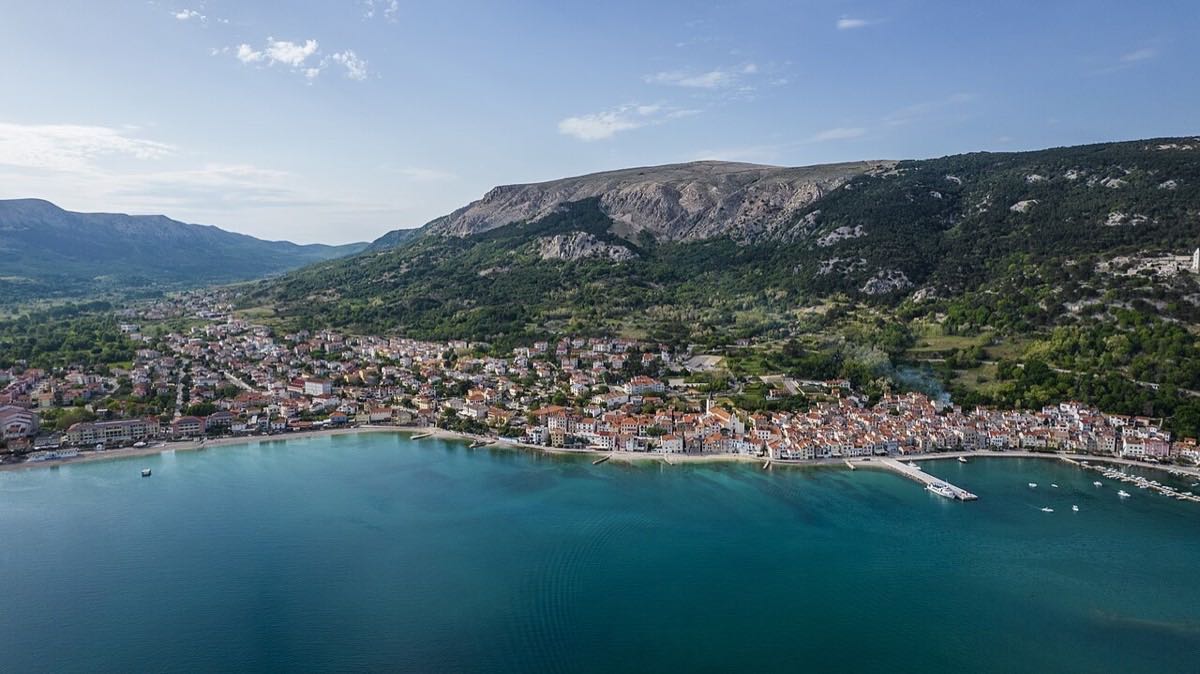 Beach
Baška
A long pebble beach in a mountain-framed bay on Krk.
Historic towns
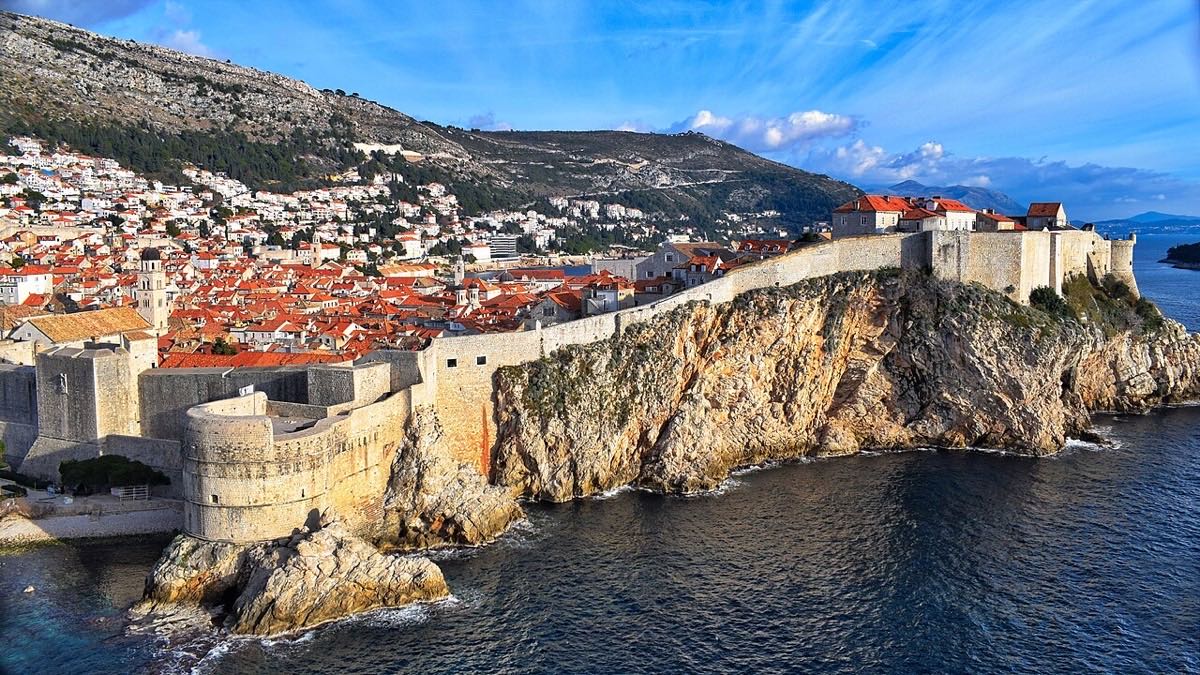
Roman palaces, Venetian loggias and medieval walls are part of everyday life here. Walk the walls of Dubrovnik, sip coffee inside Diocletian's Palace in Split, and get lost in the marble lanes of Trogir, Korčula and Šibenik.
FortressFeaturedWalls of Dubrovnik
Walk the full circuit of the medieval walls for unforgettable views over rooftops and sea.
 Historic siteFeatured
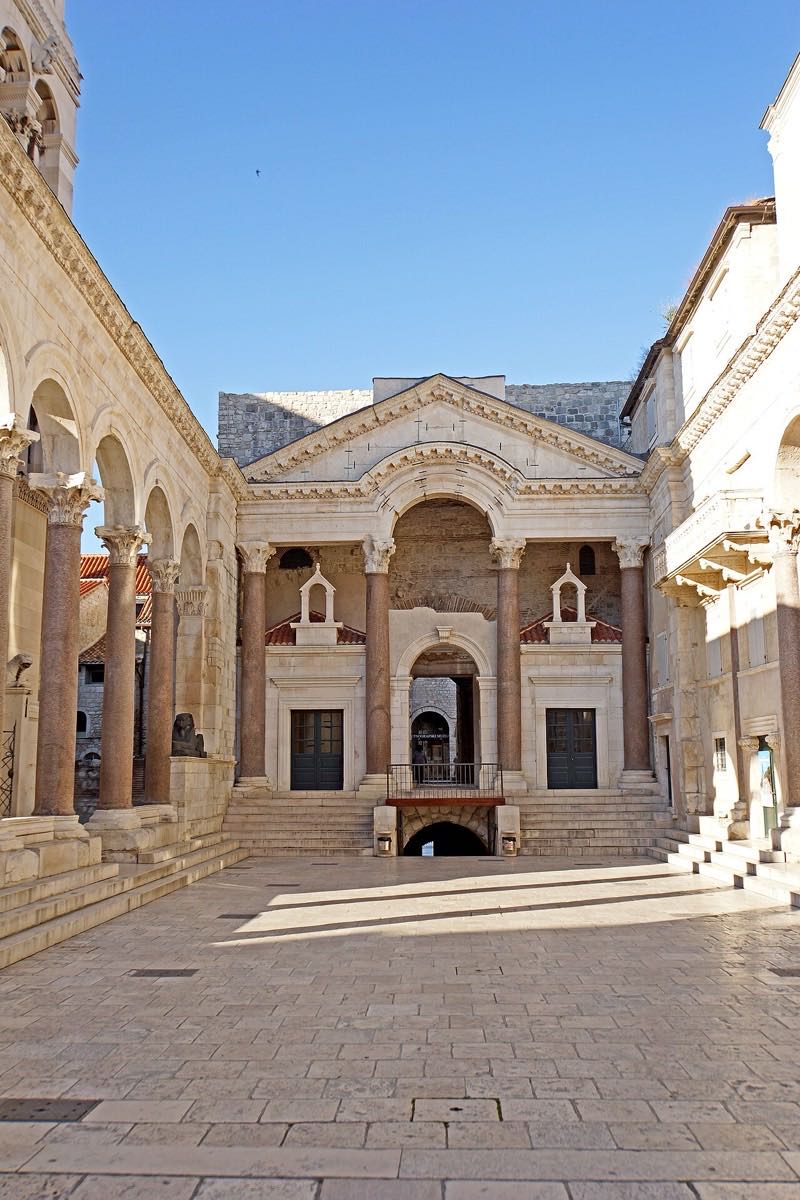
Diocletian's Palace
The vast Roman palace at the heart of Split, still home to streets, shops and homes.
 Church
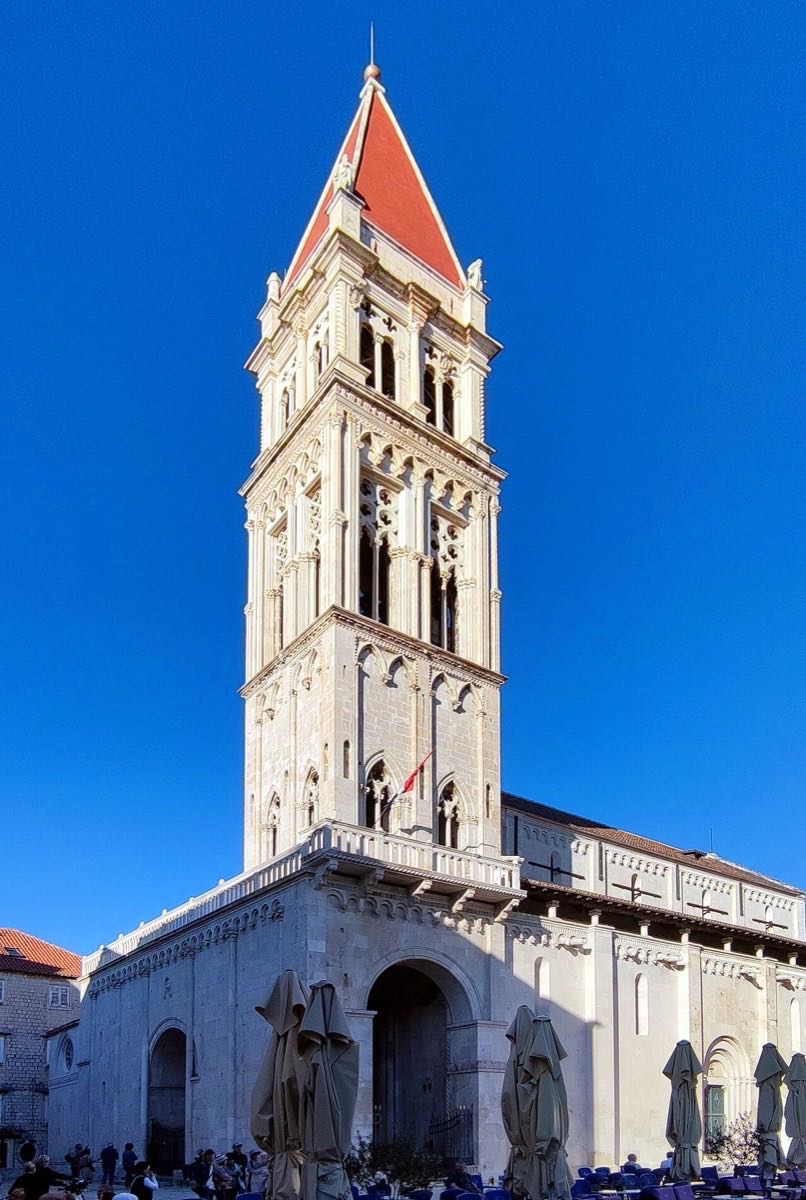
Cathedral of St. Lawrence
Trogir's cathedral, celebrated for Master Radovan's Romanesque portal.
 Church
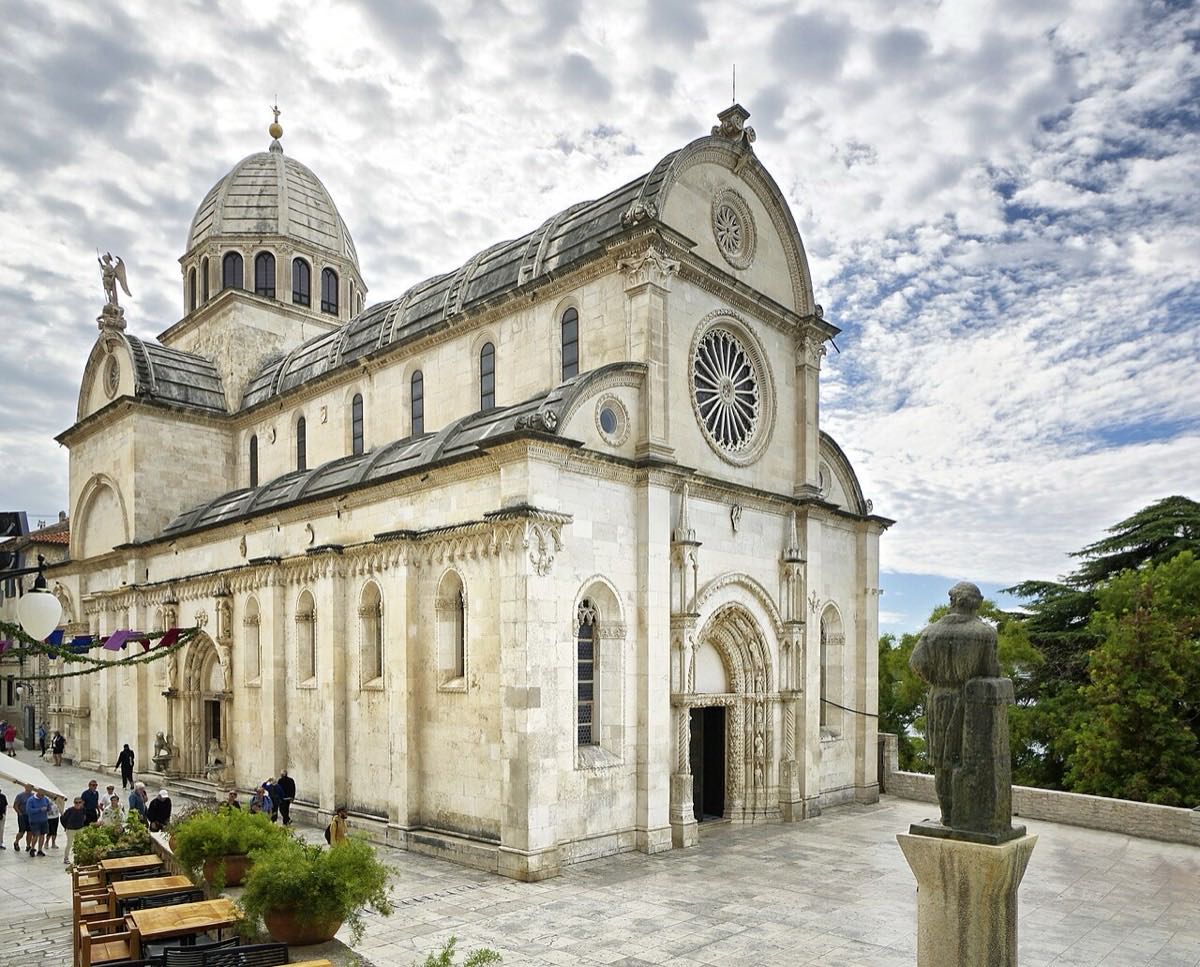
Cathedral of St. James
A UNESCO-listed cathedral built entirely from stone.
National parks
Croatia has eight national parks. The terraced lakes of Plitvice and the waterfalls of Krka are the most visited, while the stark islands of Kornati and the Roman ruins of Brijuni are best explored by boat.
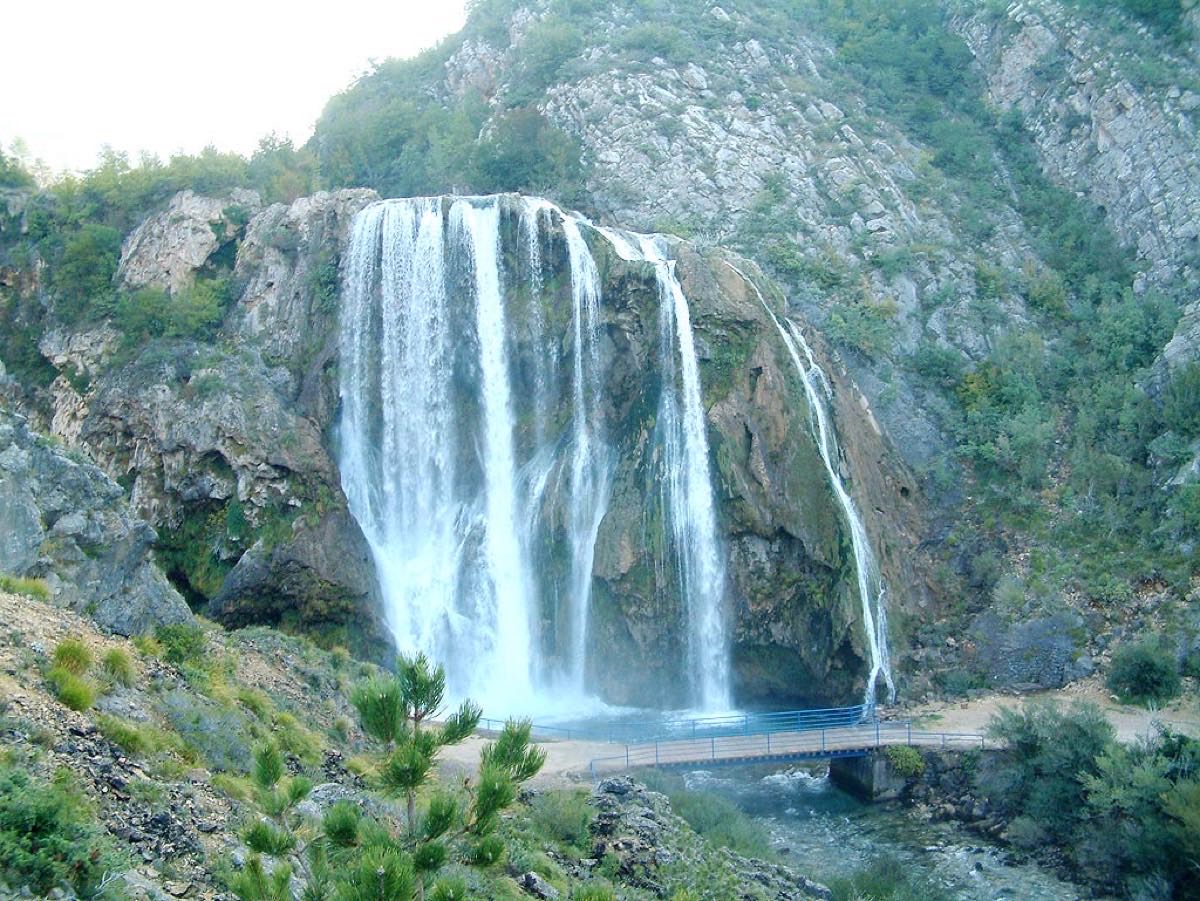
NatureFeaturedVeliki Slap
Croatia's highest waterfall, plunging into the canyon of the Lower Lakes.
 Nature
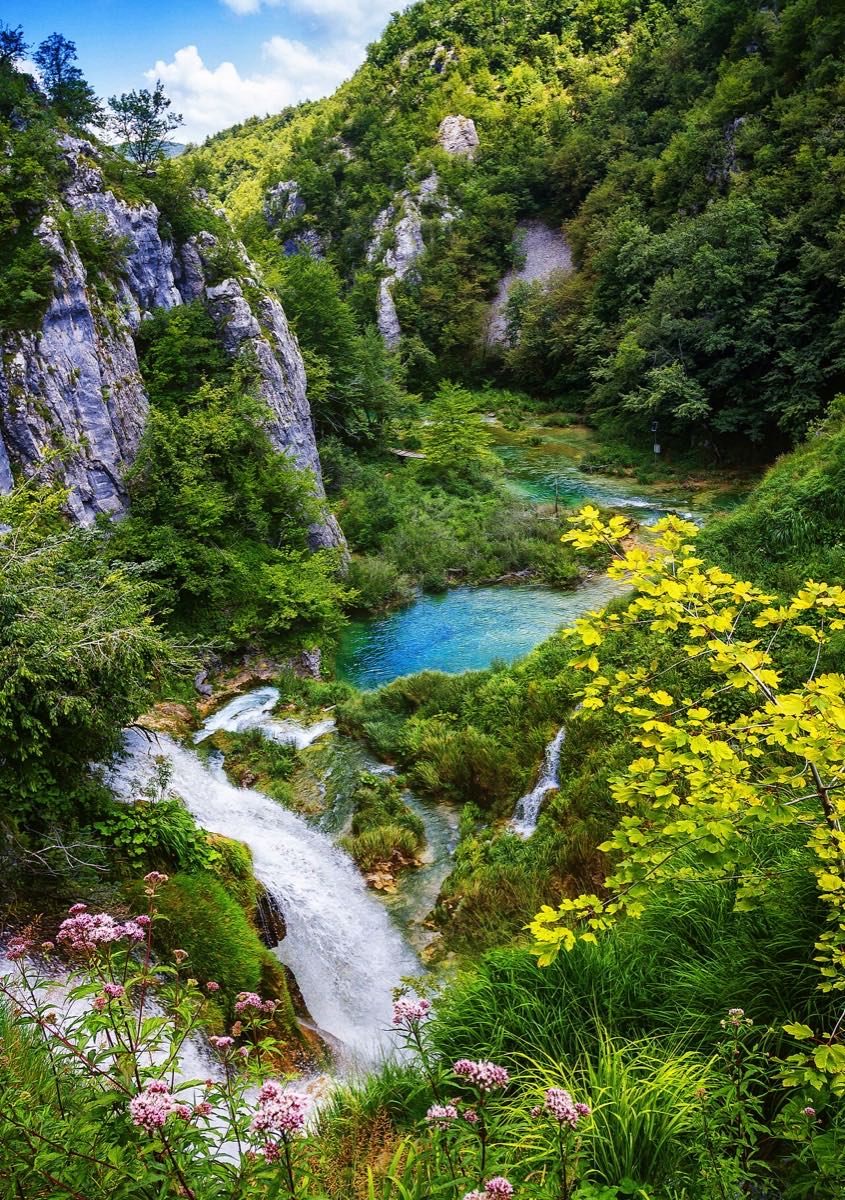
Kozjak Lake
The largest of the Plitvice lakes, crossed by an electric boat.
 National parkFeatured
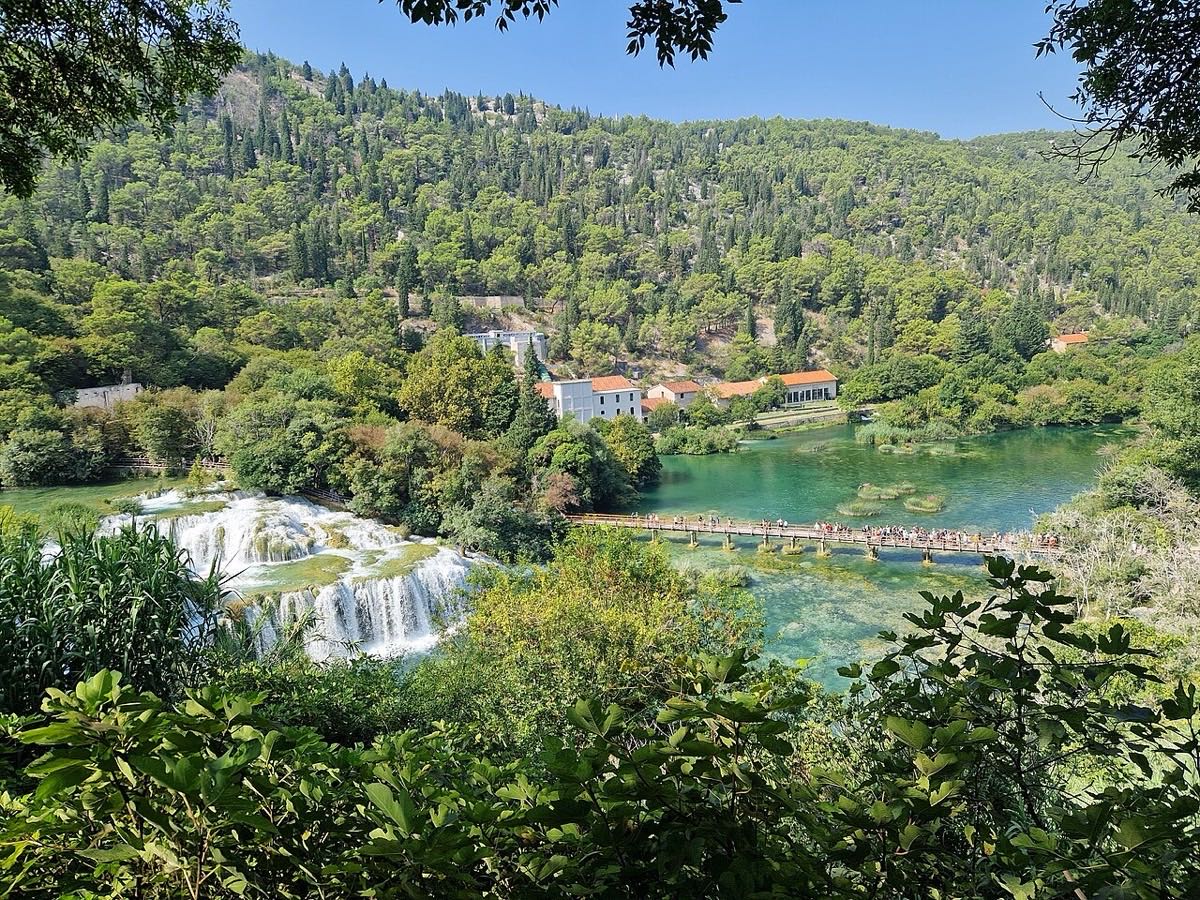
Krka National Park
Waterfalls, travertine cascades and river canyons near Šibenik.
 National park
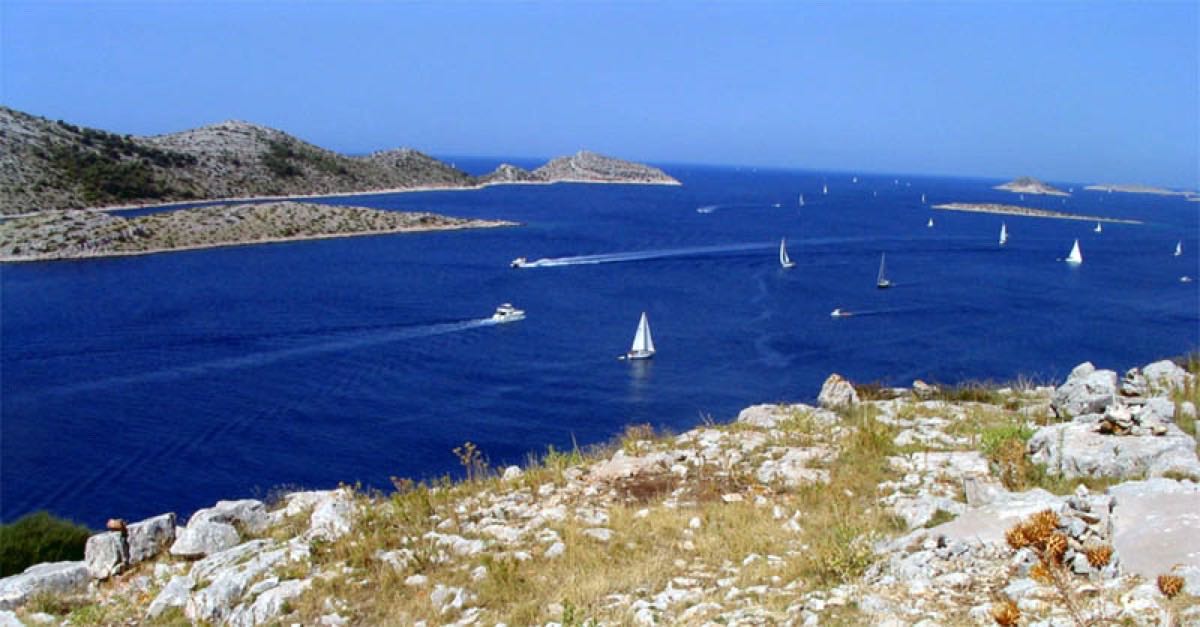
Kornati National Park
A labyrinth of bare, rocky islands and clear sea, best explored by boat.
Islands
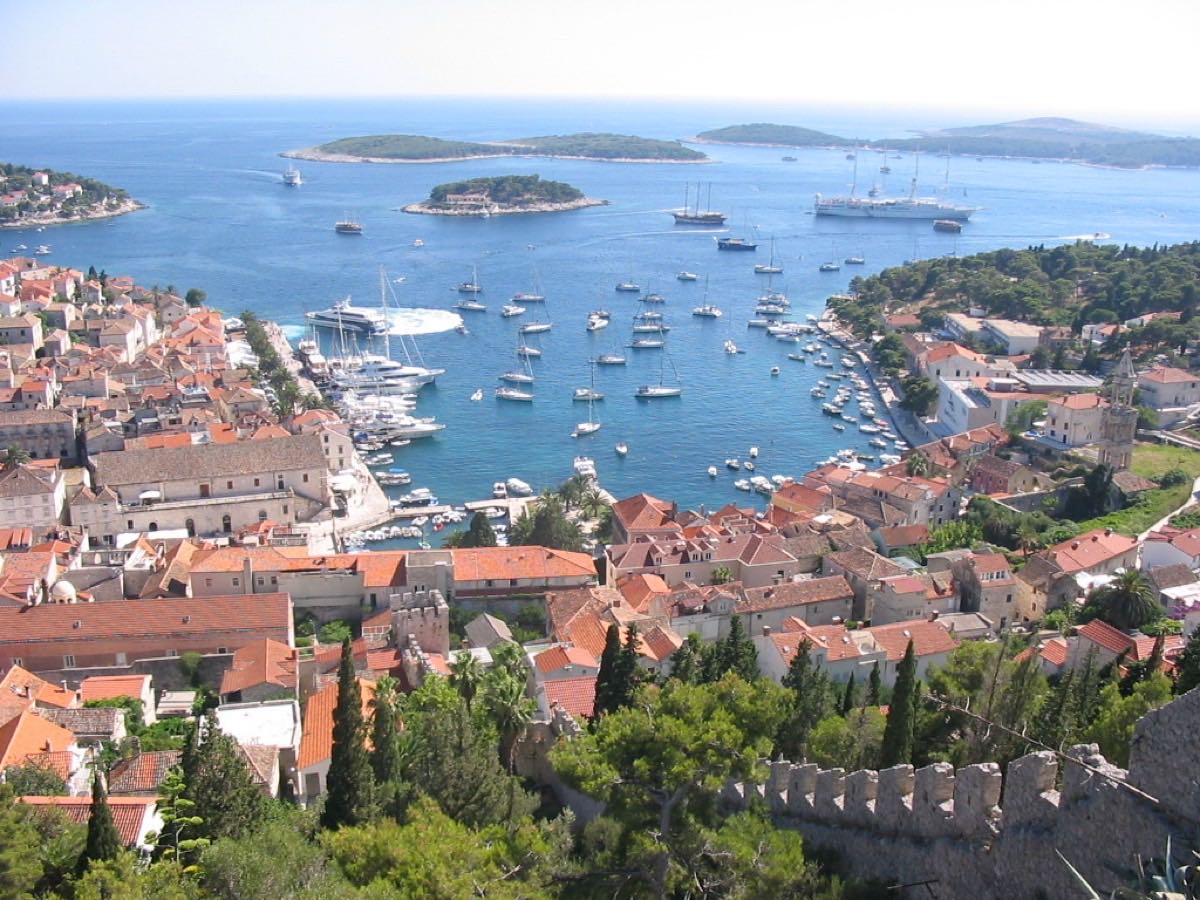
With more than a thousand islands, islets and reefs, the Croatian Adriatic is made for island hopping. Hvar has glamour and lavender, Vis has unspoilt coves, Korčula has wine and tradition, and Brač has white stone and windsurfing.
NaturePakleni Islands
A chain of pine-covered islets with clear coves, a short boat ride from Hvar Town.
 Historic site
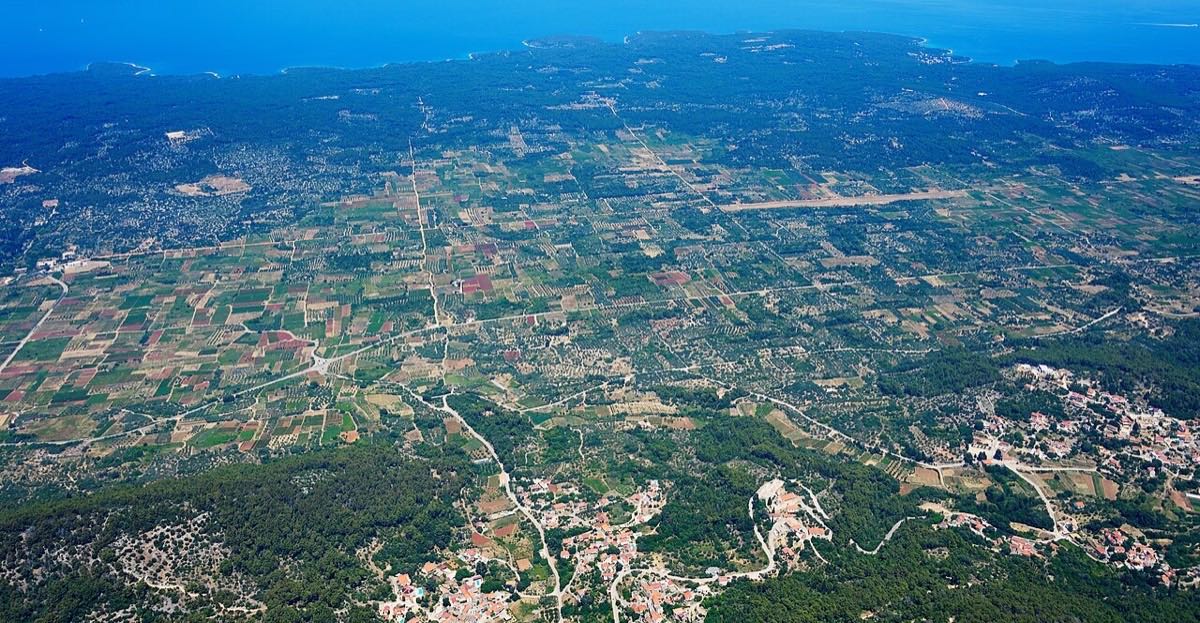
Stari Grad Plain
An agricultural landscape laid out by ancient Greek colonists 24 centuries ago.
 Nature
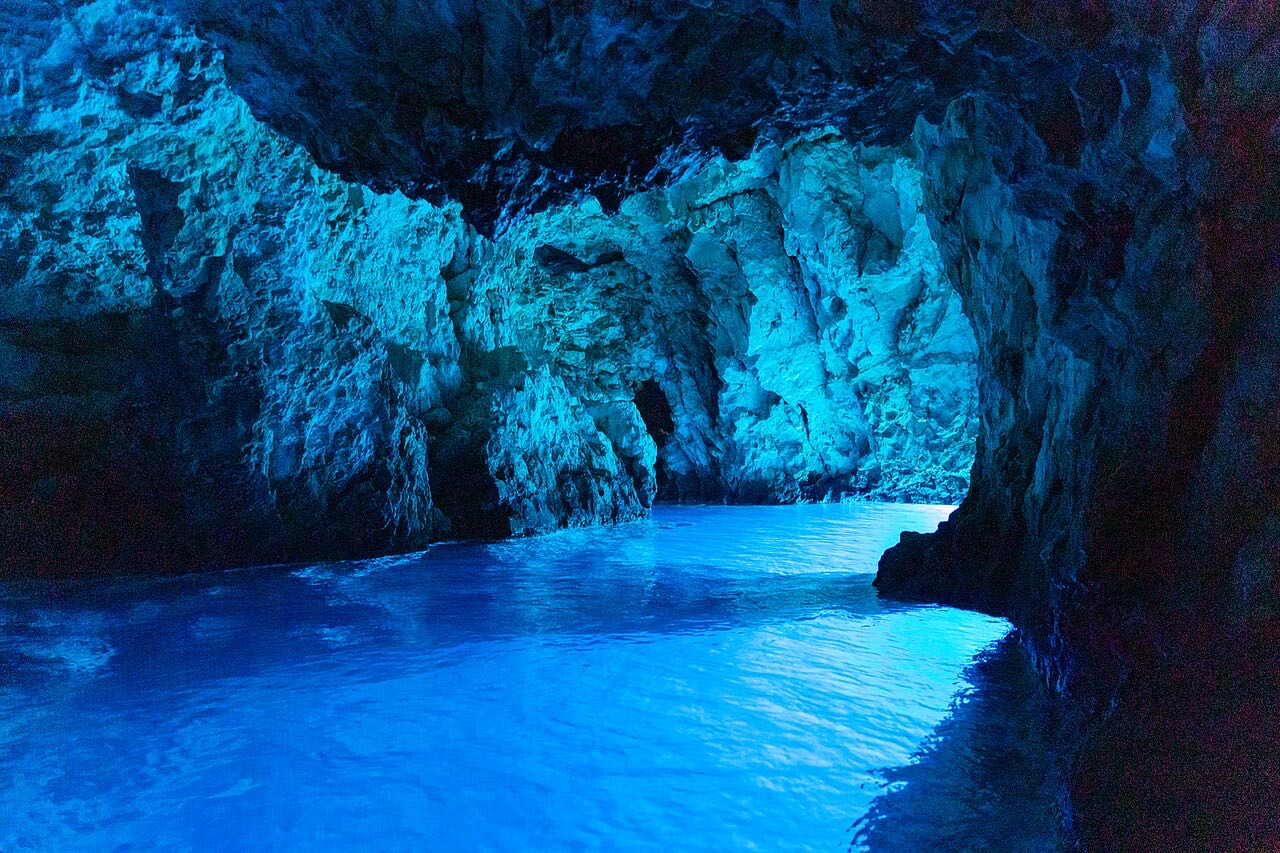
Blue Cave (Biševo)
A sea cave where sunlight turns the water a glowing blue.
 Historic site
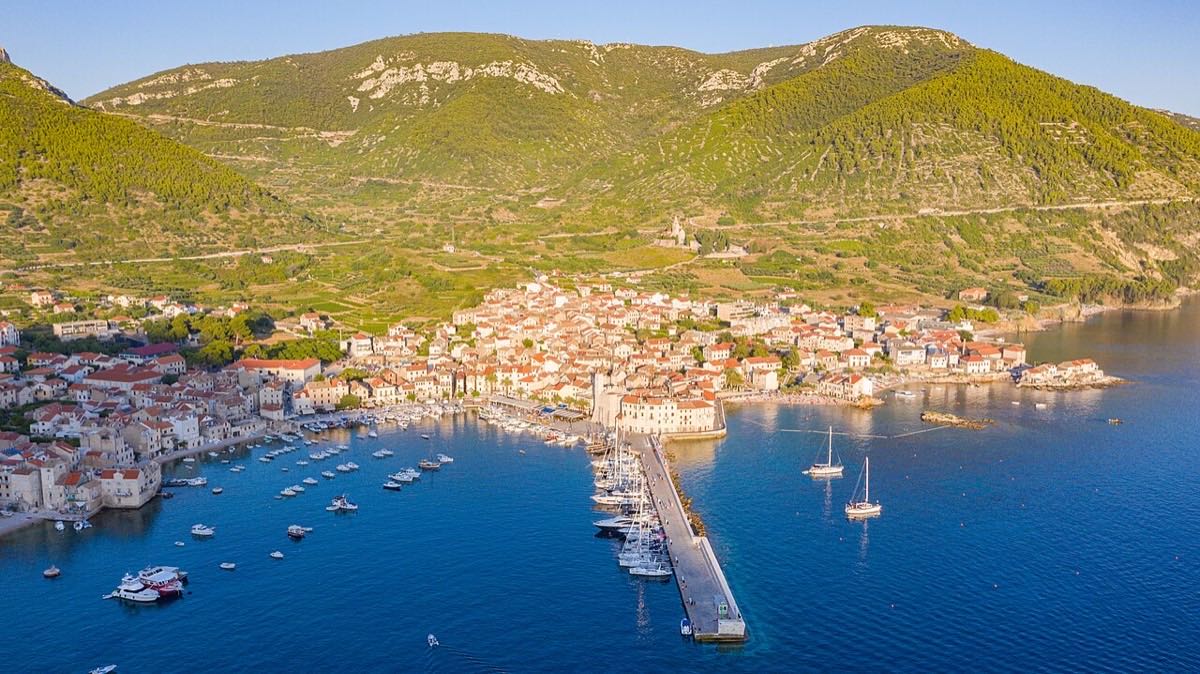
Komiža
A traditional fishing town at the foot of Hum mountain.
Food & culture
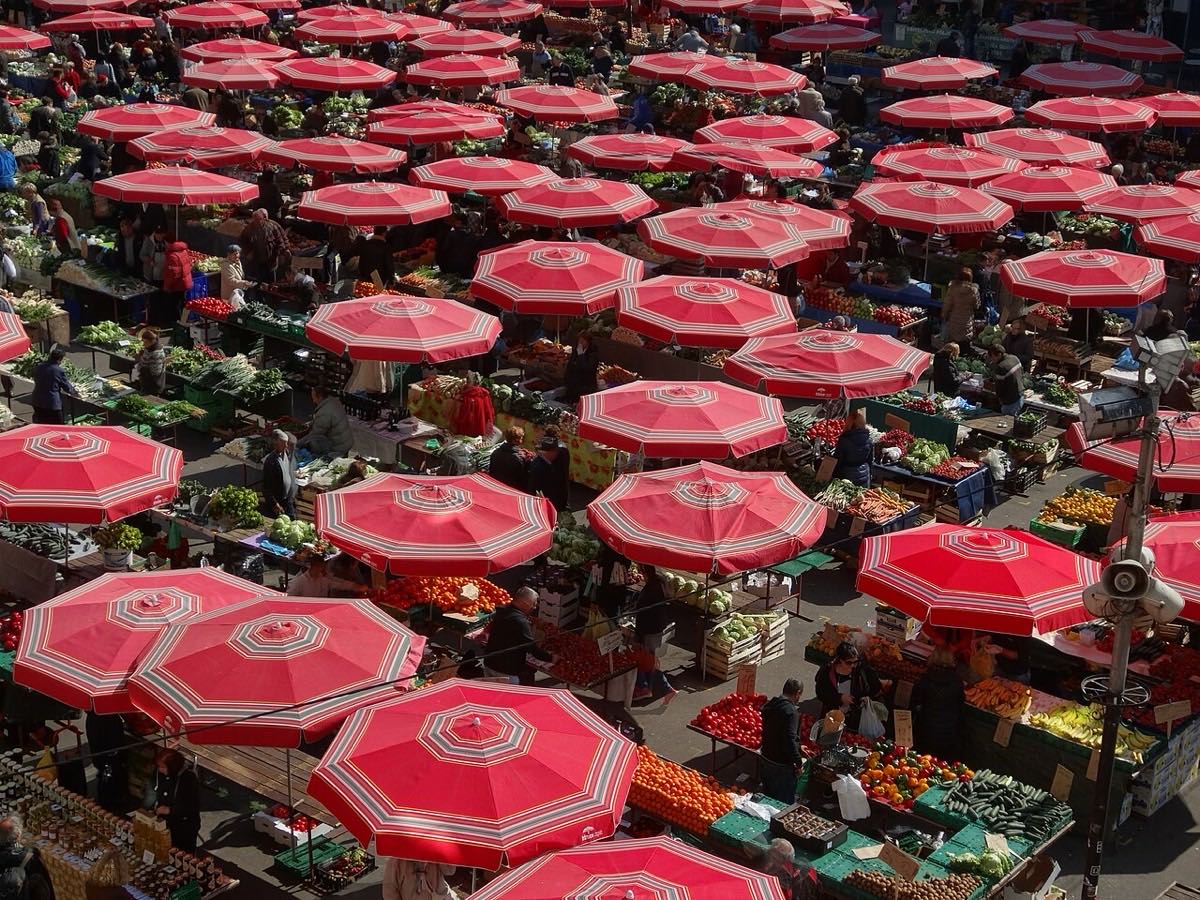
Croatian food follows the seasons and the coast: grilled fish and olive oil in Dalmatia, truffles and Malvazija in Istria, oysters from Ston, peka slow-cooked under an iron bell. Morning markets such as Zagreb's Dolac are the best introduction.
LandmarkDolac Market
Zagreb's colourful open-air farmers' market beneath red umbrellas.
 Museum
 of Broken Relationships
An award-winning museum of everyday objects donated with stories of lost love.
 Museum
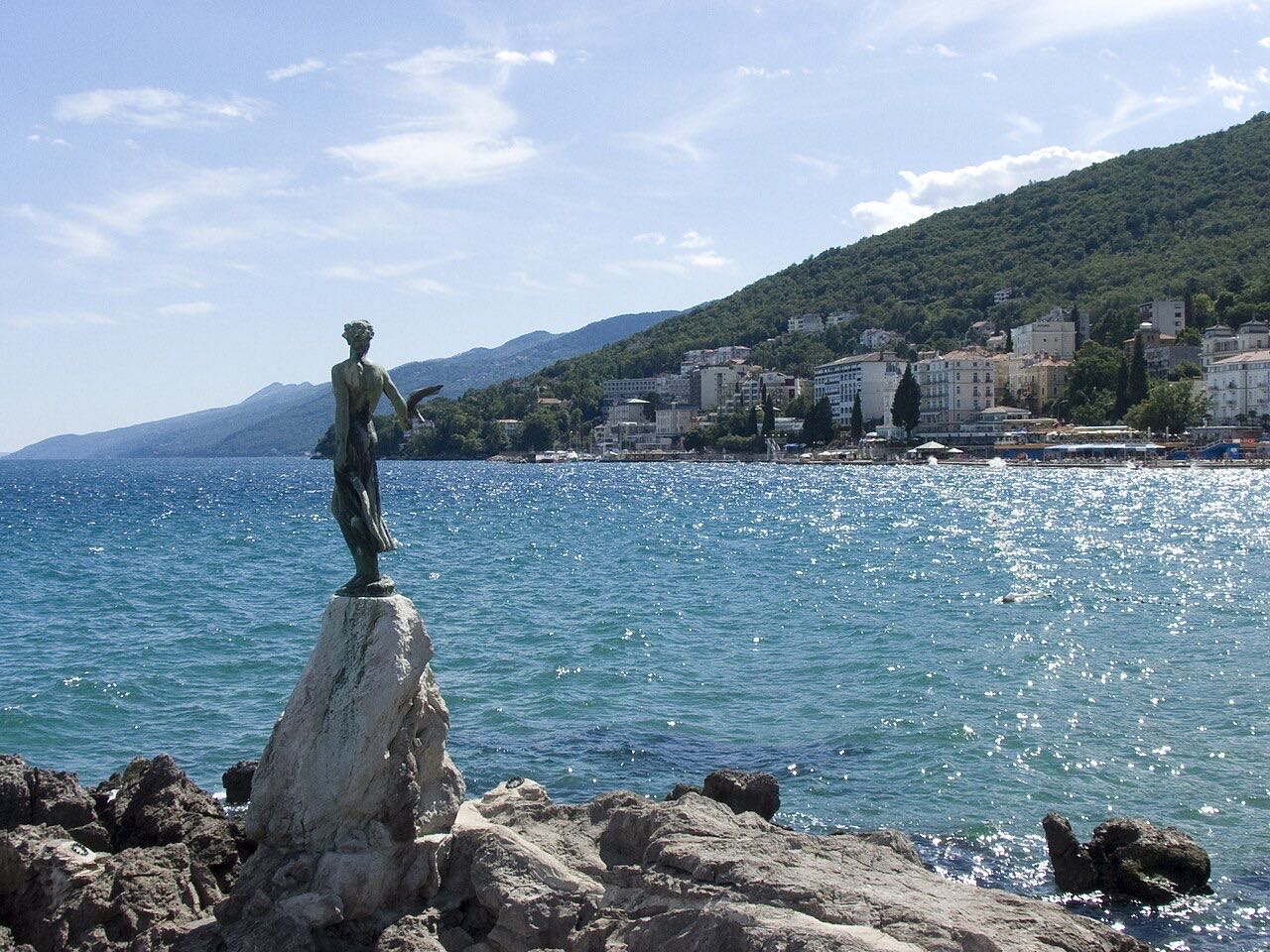
Villa Angiolina & Park
The villa that started Opatija's tourism, set in a park of exotic plants.
 Museum
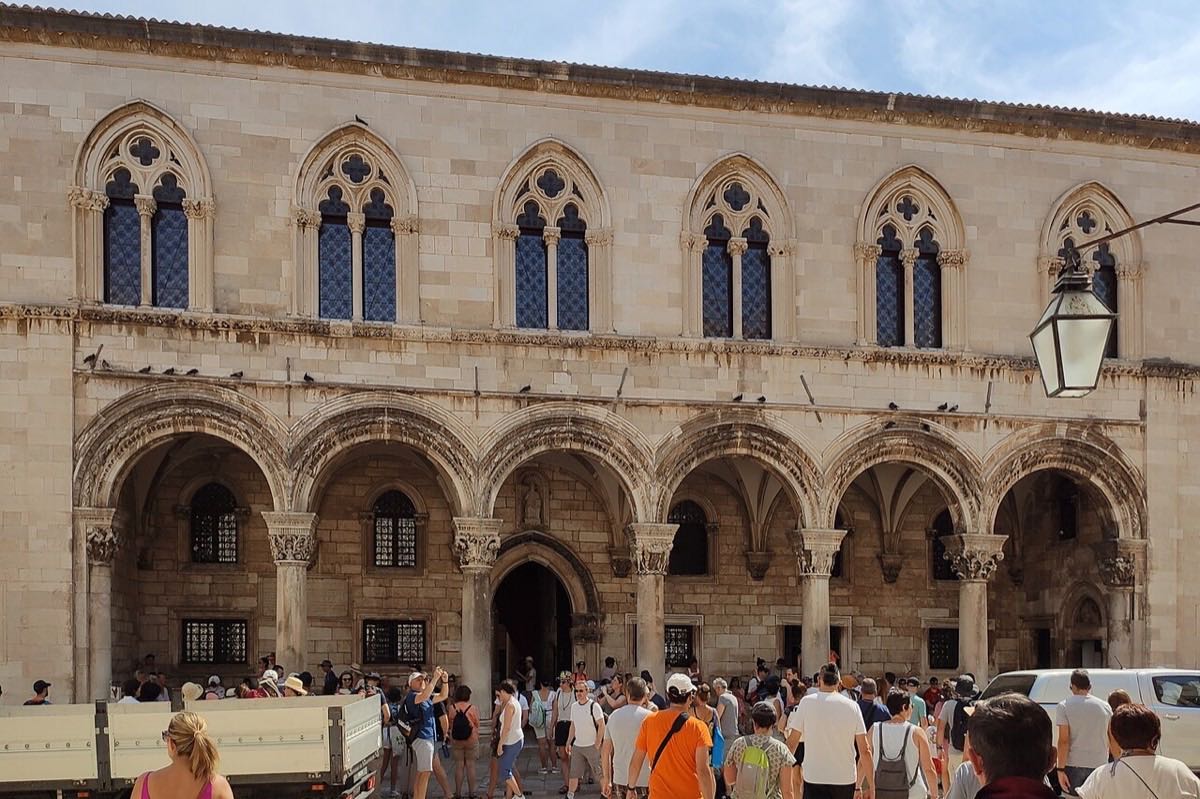
Rector's Palace
The Gothic-Renaissance seat of the Republic of Ragusa, now the Cultural History Museum.
Local experiences
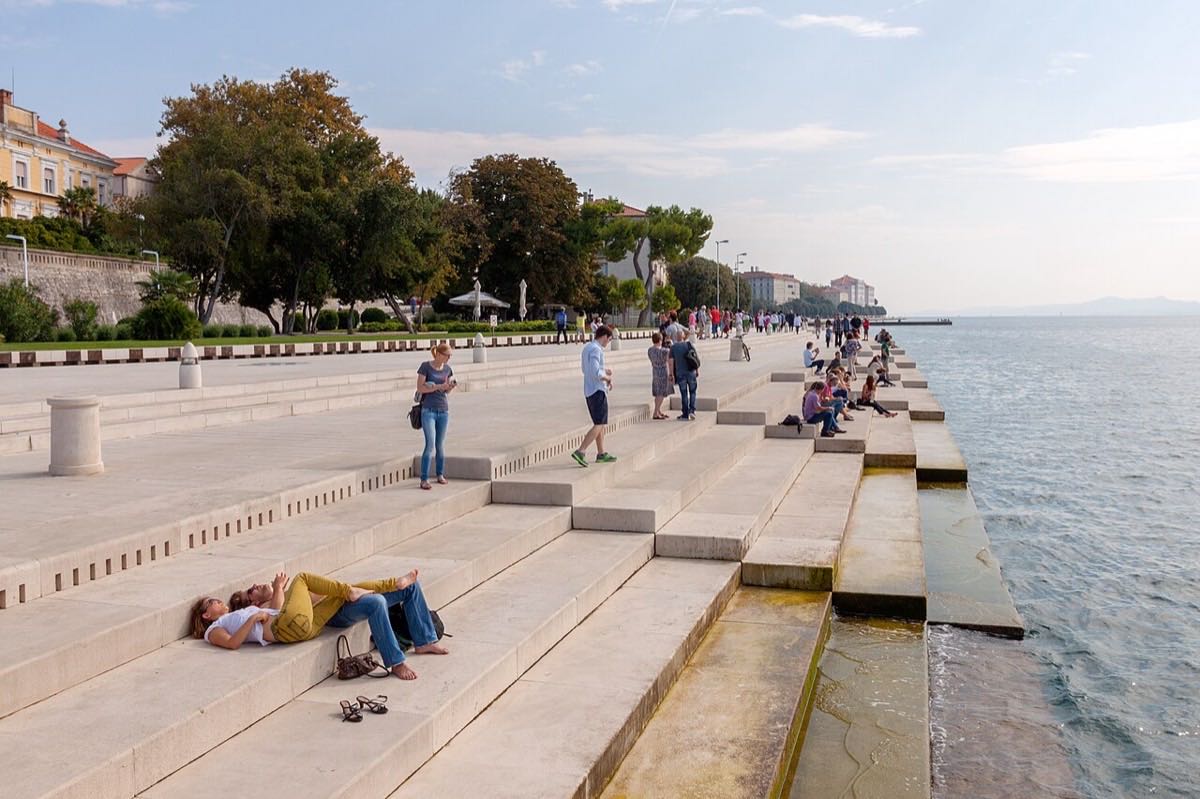
Listen to the Sea Organ at sunset in Zadar, walk the Lungomare in Opatija, take a boat to the Blue Cave, or drive up Biokovo to the Skywalk. Many of Croatia's best moments are simple — and free.
LandmarkFeaturedSea Organ
Marble steps on the waterfront that play music with the movement of the waves.
 Landmark
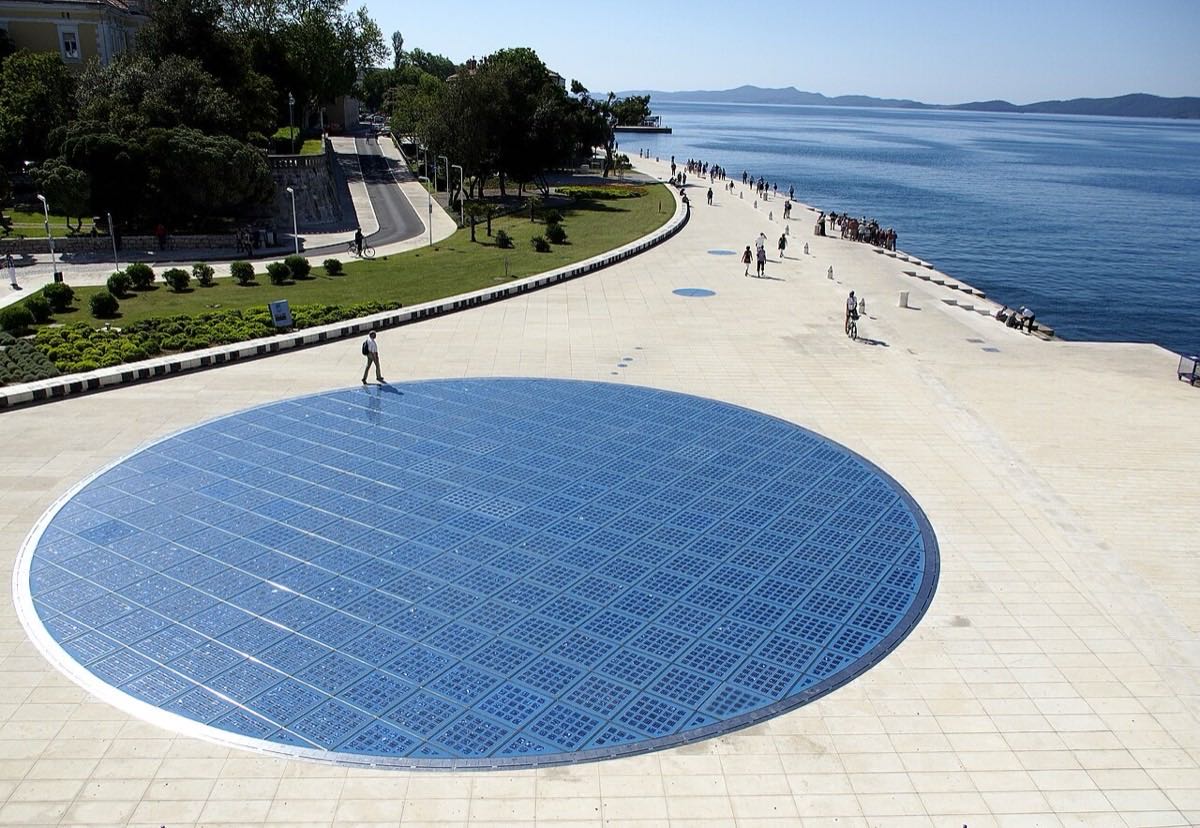
Greeting to the Sun
A solar-powered light installation that glows across the waterfront after sunset.
 Landmark
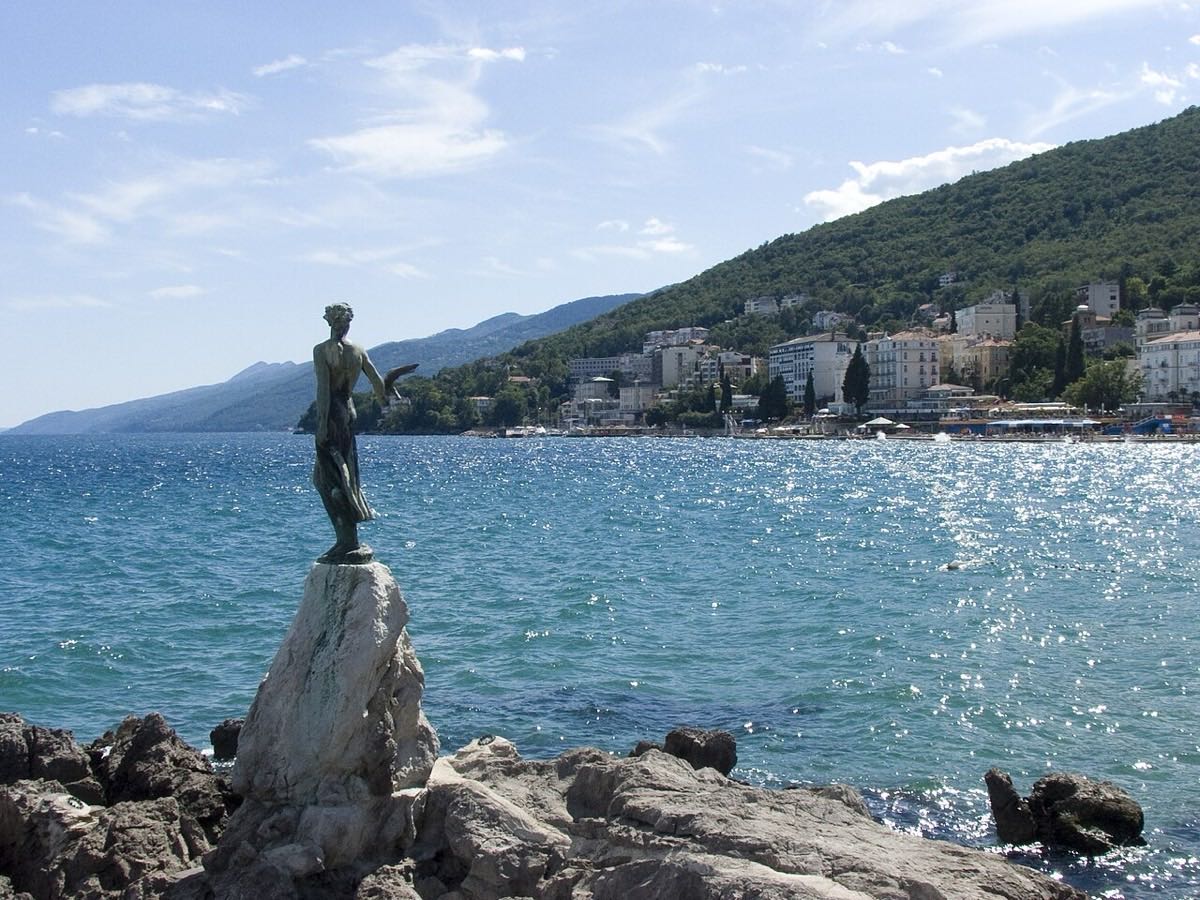
Lungomare
A 12-kilometre seaside promenade from Volosko to Lovran.
 Viewpoint
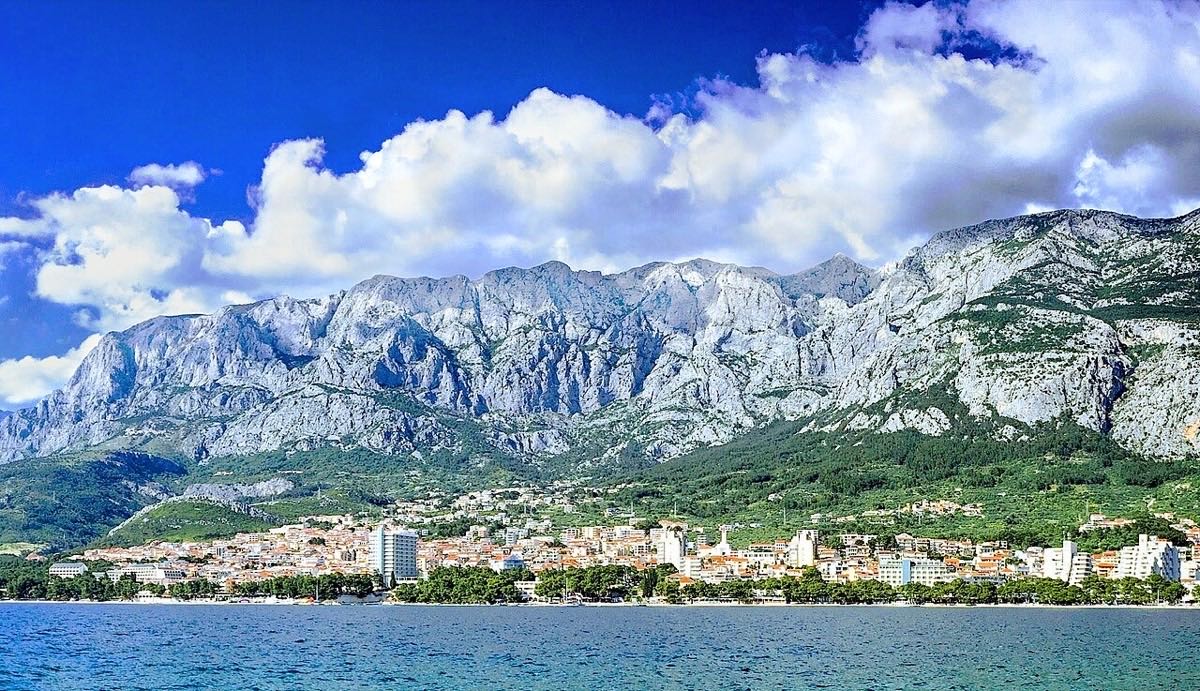
Biokovo Skywalk
A glass horseshoe viewpoint high on Biokovo mountain above the Makarska Riviera.